Spotting Quality in a Reclaimed Timber Yard: A Croydon Beginner’s Checklist
Practical, low-tech visual checks and site tips Croydon DIYers can use to assess reclaimed boards and beams at Solo Wood Recycling, so you can choose material with confidence while supporting a circular, low-waste approach.

Why these checks matter
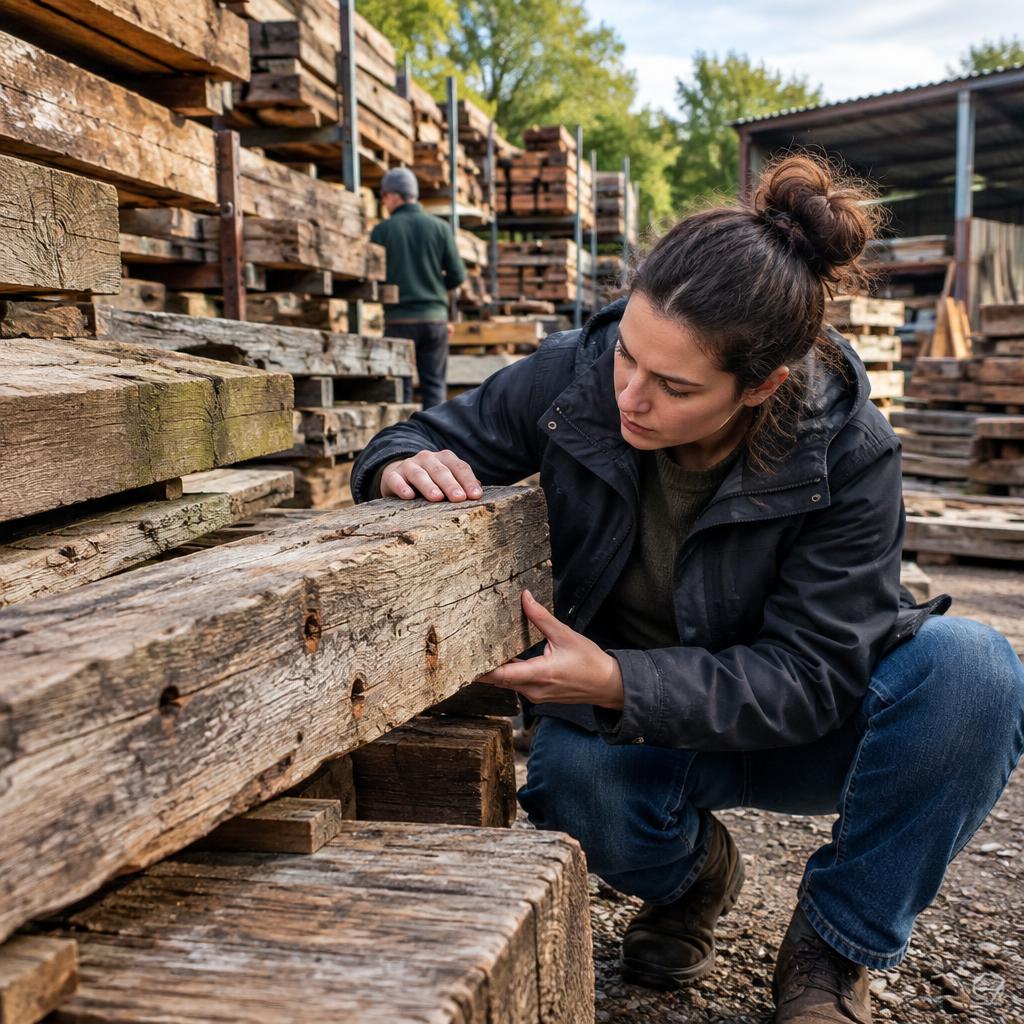
Reclaimed timber is a brilliant way to reduce waste, save money and add character to projects — but reclaimed material comes with variety. Solo Wood Recycling in Croydon rescues and reconditions large quantities of timber each month, so the yard is a treasure trove for builders, gardeners and makers. Simple visual checks help you avoid surprises (hidden damage, embedded metal, unsuitable finishes) and choose pieces that match your project’s structural and aesthetic needs.
Before you arrive: come prepared
Bring key project measurements and photos of what you intend to build so you can compare sizes on site. Wear sturdy shoes and gloves for handling rough or dirty boards. Allow time to browse — reclaimed yards are often unstructured and rewarding to rummage through, and limited on-site parking is sometimes a practical constraint, so plan accordingly. If you’re unsure what to look for, the team at the yard are used to advising newcomers.
Check for rot, insect damage and moisture
Visually inspect boards for dark, soft patches, crumbling fibre or fungal growth — these are signs of rot. Probe suspicious areas gently with a fingernail or blunt tool; healthy timber feels firm and fibrous. A strong musty or chemical odour can indicate contamination or preservatives. For projects where long-term stability matters, avoid pieces with obvious soft spots or pervasive staining. If you have a moisture meter, a low reading is preferable for interior use; otherwise, ask staff about recent drying or storage conditions for the timber.
Assess straightness and structural soundness
Lay a board flat or sight down its length to spot bowing, cupping or twisting. End checks (long splits from the end grain) are normal on reclaimed timber — short checks can be stable, but long, through-depth splits reduce usable length and strength. Inspect knots: tight, well-seated knots are often acceptable aesthetically, whereas loose or decayed knots are weak points. For beams and load-bearing pieces, prioritize longer, straighter lengths with minimal large splits.
Look for nails, screws and hidden metal
Reclaimed boards frequently contain nails, screws, staples or embedded fittings. Scan surfaces carefully for heads, rust stains or indexed holes; run your hand (with glove) along the faces and edges to feel for protrusions. A small magnet can quickly reveal hidden metal. If you plan to machine or plane the wood, remove visible metal first or choose clean boards — embedded steel will damage blades. Yard staff can point out particularly clean sections or suggest alternatives if you’re unsure.
Identify previous finishes and treatments
Surface clues tell you a lot: paint, varnish, tar-like residues, oil or heavy darkening indicate prior finishes or treatments. Painted boards are often usable but may need stripping for indoor, food-contact or fine furniture work; older paint can contain lead, so take care if you intend to sand or heat the surface and seek advice or testing where appropriate. For exterior or garden projects, previously treated or oily boards may still be suitable; make decisions based on your intended finish and any health or environmental considerations.
Final checks, staff advice and next steps
Before you buy, check actual usable face and length against your project’s dimensions — a board’s total length may include unusable ends or heavy defects. Think about grain direction for appearance and stability, and factor in trimming or planing. Solo Wood Recycling’s team are consistently praised for patient, knowledgeable advice, and they can help you match timber to purpose, suggest alternatives and point out bargains and donation sections. Visit the yard at 43 Factory Lane, Croydon to browse reclaimed timber, ask questions and support a local circular solution — bring measurements and time, and make your next project both creative and sustainable.
Customer review


Article by
Solo Wood Recycling
South London Wood Recycling Project is a Croydon-based not-for-profit social enterprise dedicated to saving timber from landfill. We rescue 60-100 tonnes of wood every month, reconditioning high-quality material for eco-conscious builders, DIYers, and designers. Whether you need raw reclaimed timber for a home project or a unique piece of bespoke furniture commissioned from our expert workshop, we provide sustainable solutions that don't cost the earth. From pallets and scaffold boards to architectural salvage, our yard is a treasure trove for creators. By choosing us, you’re supporting local jobs, volunteer training, and a greener London. Visit our yard or contact us today to start your next sustainable project!