Safe Reclaimed Wood for Planters, Allotments and Urban Food Growing
Practical guidance on which reclaimed timbers are appropriate for raised beds and food-growing, how to line and build safe planters, and how Solo Wood Recycling staff can help allotment holders pick budget‑friendly, sustainable wood.

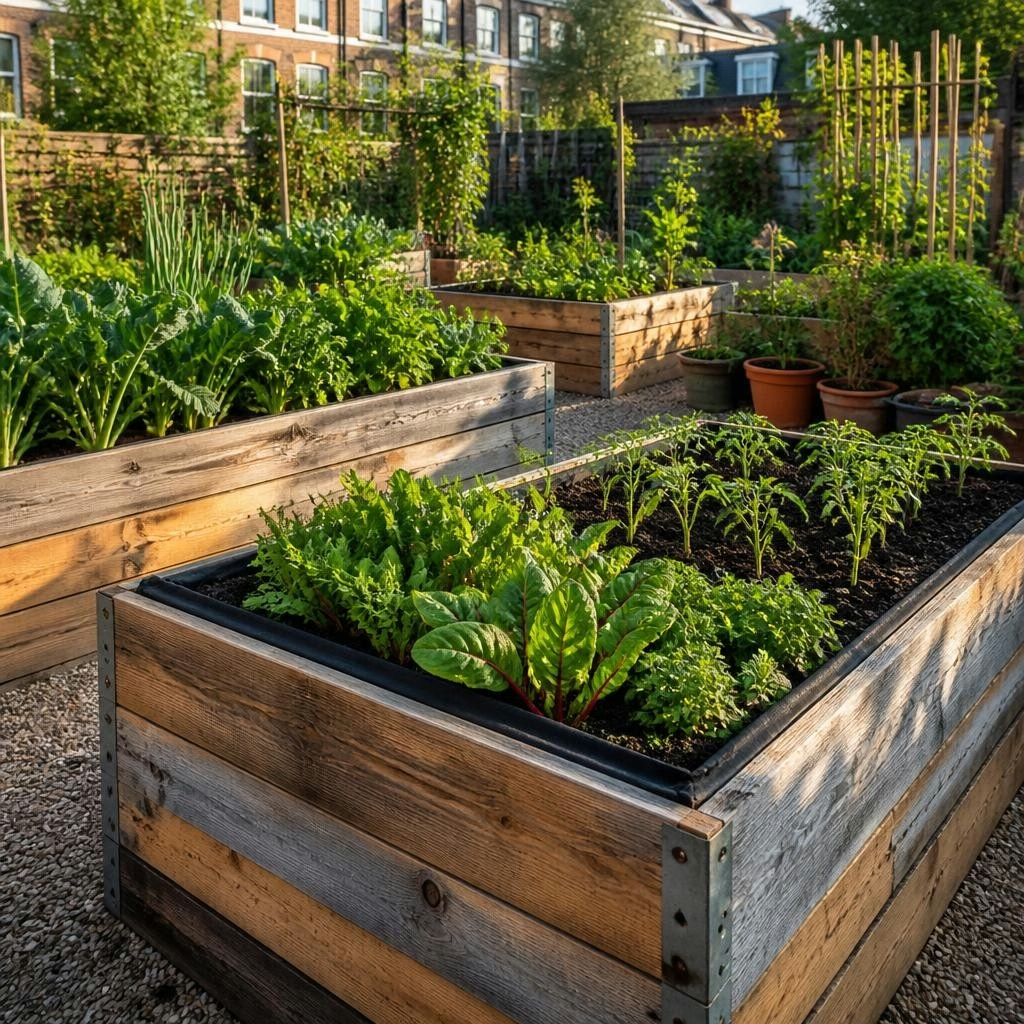
Why choose reclaimed wood for food growing?
Reclaimed timber is a practical, low‑carbon choice for raised beds, container planters and allotments. Using rescued timber keeps material out of landfill, reduces the demand for new cut timber, and typically offers cost savings compared with buying new timber. For urban growers in and around Croydon and neighbouring boroughs, reclaimed wood from a local yard can be an economical and sustainable way to build durable planting structures.
Common reclaimed materials and their suitability
At yards that specialise in reclaimed timber you’ll commonly find pallets, scaffold boards, floorboards, cable reels and pieces of architectural salvage or old furniture. Pallet and scaffold boards are often a good option for raised beds and planters because they are straight, readily available and easy to work with. Solid floorboards can be useful for internal linings or for making shelves and lids. Cable reel tops make characterful circular planters. Avoid relying on small, heavily finished furniture pieces for direct soil contact unless you can remove varnish or coatings.
What to avoid: treatments and contaminants
For anything that will hold edible plants, take care to avoid timber that has been chemically treated with preservatives (for example creosote or older industrial treatments), heavy paint, tar or oil residues. Pressure‑treated timber intended for industrial use can leach substances into soil over time. When in doubt, choose visibly clean, untreated boards, or ask staff to confirm a piece’s likely history before you use it in a food‑growing context.
Simple checks to assess a reclaimed board
Before buying, inspect reclaimed timber for signs of chemical treatment or contamination: unusual colours or green staining, strong chemical odours, tarry or oily residues, and old preservative stamps. Also check for rot, extensive insect damage or loose nails. Seasoned, dry boards with sound end grain and a solid surface are preferable for planters because they are less likely to break down quickly when in contact with soil.
How to line beds and protect soil
Lining is an effective way to reduce direct contact between soil and reclaimed timber. A breathable landscape fabric or geotextile allows drainage while protecting timber; a heavy‑duty pond liner can be used where a fully waterproof barrier is acceptable, but remember it reduces soil breathing. Ensure adequate drainage by drilling holes in the liner or sit the liner slightly off the base so excess water can escape. Also consider raising the bed on a short course of bricks or sleepers to prevent constant ground moisture on the outer boards.
How Solo Wood Recycling helps allotment holders
Solo Wood Recycling is set up to support local projects with reclaimed timber and practical advice. Staff at the Croydon yard are experienced at identifying pieces suitable for garden use, and they commonly advise customers on options and lining techniques so timber can be used safely for food growing. One customer noted receiving a short on‑site tutorial about lining raised beds and left feeling confident about the build and timber choice. Staff can also point to different price points, helping you balance budget, longevity and sustainability.
Practical checklist and next steps
Before you visit, measure the area, list board lengths you need and bring a suitable vehicle for loading. Ask staff to show you untreated pallet or scaffold boards and to point out any pieces to avoid. Remember parking can be limited near the yard, but staff are used to helping load materials. If you’d like hands‑on guidance or to browse a large variety of reclaimed timber, visit Solo Wood Recycling at 43 Factory Lane, Croydon — support a local social enterprise while keeping timber in use and out of landfill.
Customer review


Article by
Solo Wood Recycling
South London Wood Recycling Project is a Croydon-based not-for-profit social enterprise dedicated to saving timber from landfill. We rescue 60-100 tonnes of wood every month, reconditioning high-quality material for eco-conscious builders, DIYers, and designers. Whether you need raw reclaimed timber for a home project or a unique piece of bespoke furniture commissioned from our expert workshop, we provide sustainable solutions that don't cost the earth. From pallets and scaffold boards to architectural salvage, our yard is a treasure trove for creators. By choosing us, you’re supporting local jobs, volunteer training, and a greener London. Visit our yard or contact us today to start your next sustainable project!