Reclaimed Scaffold Boards vs New Timber: A Practical Guide for South London DIYers
A concise comparison of reclaimed scaffold boards and new timber for shelves, raised beds and benches, with practical tips, local price examples from Solo Wood Recycling in Croydon, and guidance on choosing, preparing and buying reclaimed wood sustainably.

Introduction: Why this comparison matters locally
If you’re planning shelves, raised beds or a garden bench in Croydon or the surrounding boroughs, the choice between reclaimed scaffold boards and new timber affects cost, character and environmental impact. Solo Wood Recycling is a Croydon-based social enterprise that rescues timber from landfill and offers a wide range of reclaimed boards and other materials. This article compares the two options with practical, project-focused advice and local considerations so you can decide what works best for your budget and your planet-friendly aims.
What reclaimed scaffold boards bring to your project
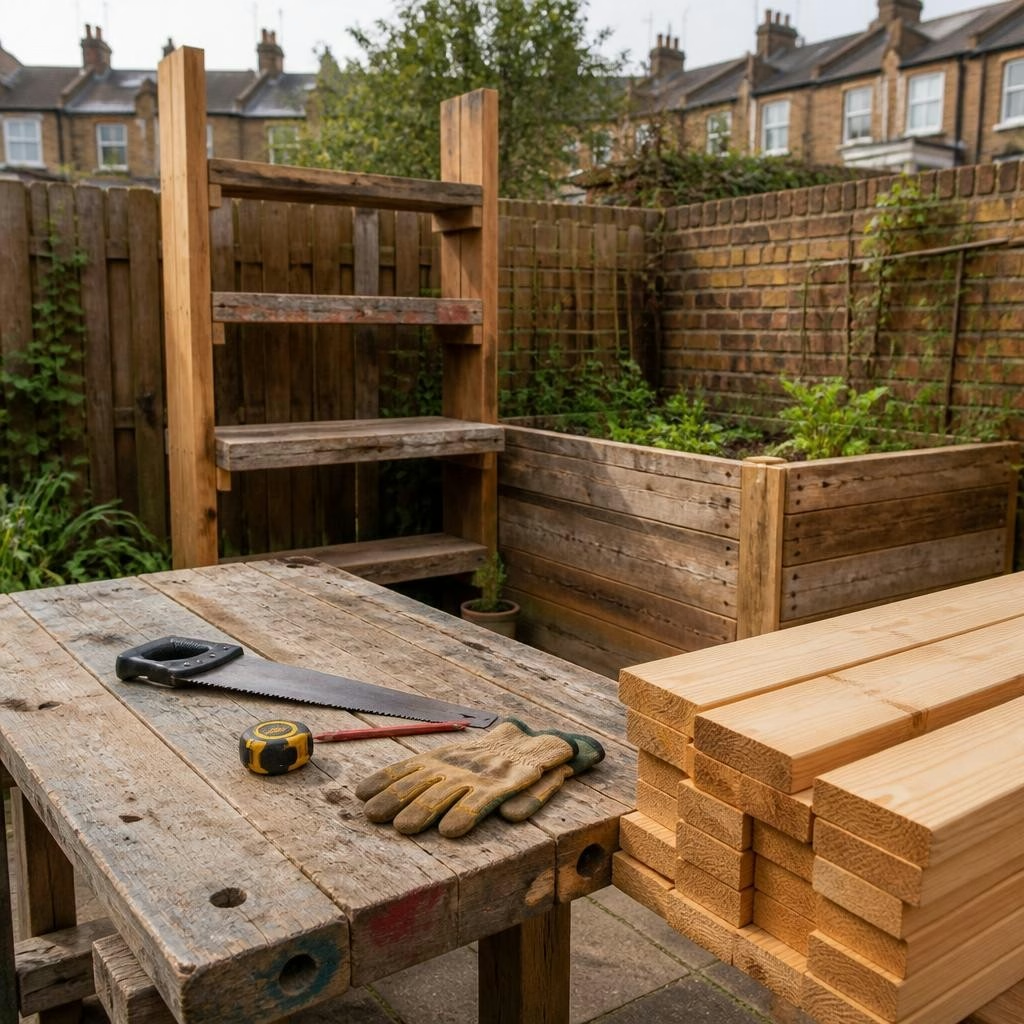
Scaffold boards were used for heavy-duty temporary platforms, so many reclaimed pieces are robust and well suited to shelving, planters and simple benches. Reclaimed boards also carry unique surface character — nail holes, weathering and patina — that adds authenticity to furniture and garden builds. Customers at Solo consistently praise the variety on offer, from scaffold planks to floorboards and Victorian timber, making it a useful source when you want a specific look or recycled material.
What new timber offers instead
New timber gives predictability: consistent dimensions, known species and uniform moisture and finish if purchased planed or treated. That can simplify joinery and reduce time spent sorting or planing. For projects that require precise tolerances, engineered boards or new sawn timber may be more convenient. However, new timber typically has a larger environmental footprint than reclaimed options unless sourced from certified sustainable suppliers.
Environmental and social advantages of reclaimed wood
Choosing reclaimed scaffold boards supports circular-economy goals: it diverts timber from landfill, reduces demand for freshly cut wood, and keeps useful material in circulation. Buying from a local social enterprise like Solo Wood Recycling also helps sustain local jobs, volunteer training and community workshops. For eco-minded builders and DIYers across Croydon, Sutton and Merton, reclaimed wood is a tangible way to lower the carbon and waste cost of a project while supporting local reuse initiatives.
Cost comparison and local price examples
Reclaimed timber is often substantially cheaper than new, finished boards because it is recovered rather than milled to retail standards. Local customers report very affordable bargains at Solo — for example, pallets were purchased at £6 each in recent visits — and many note that the yard’s pricing makes small-scale carpentry and garden projects far more accessible. Keep in mind that reclaimed boards may need extra work (cleaning, de-nailing, sanding), so factor in time or workshop access when comparing total cost.
Practical pros and cons for shelves, raised beds and benches
Shelves: reclaimed scaffold boards create strong, characterful shelving but check for straightness and remove old fixings before installing. Raised beds: reclaimed wood is perfect for allotments and planters in many cases; choose thicker, sound boards and consider lining to reduce soil contact if you’re concerned about contaminants. Benches: reclaimed planks can make robust seating, though you should remove embedded nails and repair cracks; for long-term outdoor exposure, apply an appropriate exterior finish. Across all uses, reclaimed timber requires more selection and preparation than new stock, but it rewards with lower material cost and distinctive appearance.
Preparing reclaimed scaffold boards for reuse
When you bring reclaimed boards home, start with a visual and tactile inspection: look for rot, large splits and hidden metal. Remove nails and screws carefully, then flatten and square boards as needed using planing or sanding. For exterior projects, a good practice is to clean the wood, allow it to dry fully, then apply a suitable exterior-grade preservative, oil or paint depending on exposure and desired finish. If you’re unsure which treatment is appropriate, seek advice — Solo’s team is frequently praised by customers for practical, project-specific guidance.
How to shop reclaimed timber at Solo Wood Recycling (practical tips)
Plan your visit: bring measurements, a tape measure and an idea of the grade and look you want. Customers report that Solo’s staff are consistently helpful and happy to advise, show you suitable stock and help load your vehicle. Note that on-site parking can be limited — visitors often stop on the road and load directly from the yard while staff assist — so allow a little extra time for loading. If you prefer structured support, ask about workshops or guidance sessions; the social enterprise offers training and hands-on advice to help DIYers get the most from reclaimed materials. To support reuse, bring reusable straps or blankets for transport and remember that rummage-style browsing is part of the reclaimed-yard experience.
Conclusion and next steps — visit the yard
For many South London DIYers, reclaimed scaffold boards offer an excellent balance of strength, character and cost-saving, especially for gardens, shelving and simple furniture. New timber provides consistency where precision and standardized finishes are priorities. If you’re curious, the best next step is to visit Solo Wood Recycling at 43 Factory Lane, Croydon, to see the options in person, get tailored advice and find bargains that suit your project and sustainability goals. Choosing reclaimed wood helps reduce waste, supports a local social enterprise and keeps useful material in circulation — a small step with meaningful environmental benefits.
Article by
Solo Wood Recycling
South London Wood Recycling Project is a Croydon-based not-for-profit social enterprise dedicated to saving timber from landfill. We rescue 60-100 tonnes of wood every month, reconditioning high-quality material for eco-conscious builders, DIYers, and designers. Whether you need raw reclaimed timber for a home project or a unique piece of bespoke furniture commissioned from our expert workshop, we provide sustainable solutions that don't cost the earth. From pallets and scaffold boards to architectural salvage, our yard is a treasure trove for creators. By choosing us, you’re supporting local jobs, volunteer training, and a greener London. Visit our yard or contact us today to start your next sustainable project!