How to Choose the Right Reclaimed Wood for Garden Projects in Croydon
Practical, eco-focused guidance for Croydon gardeners on selecting reclaimed timber for planters, compost bins, pergolas and seating, with tips on assessing condition, avoiding problematic treatments, and making the most of Solo Wood Recycling’s yard.

Why reclaimed wood is the right choice for your garden
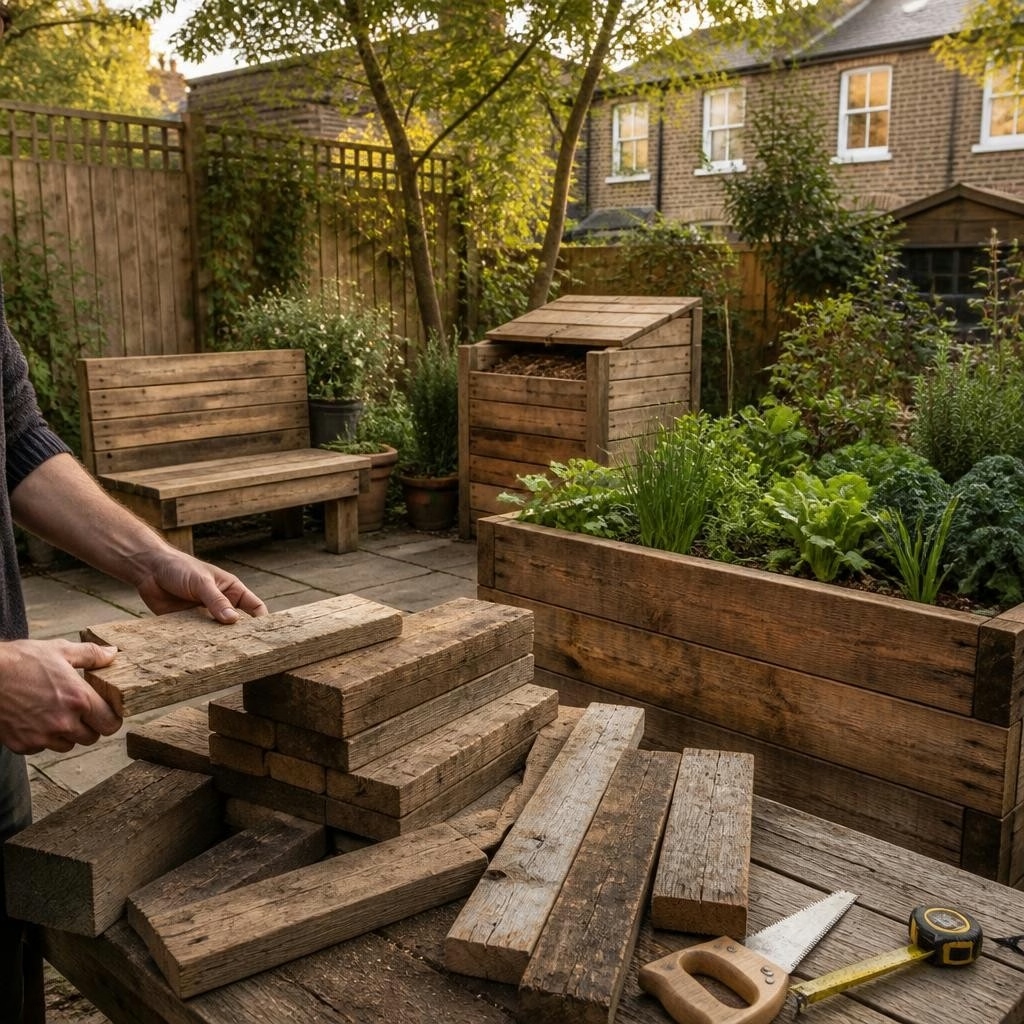
Reclaimed wood brings character, durability and a much lower environmental footprint to garden projects. Choosing salvaged timber reduces waste, keeps timber out of landfill and often costs less than buying new, treated timber. For gardeners who want to prioritise reuse, recycle and reclaim principles, reclaimed boards, posts and beams provide strong, attractive options for raised beds, planters, pergolas and seating while supporting a circular local economy.
What to look for on first inspection
Begin by checking overall structural soundness. Look for widespread rot, deep splits, or active insect activity — avoid pieces that are soft or crumbly. Check for straightness and sufficient thickness for the intended load (thinner boards work for planter sides; thicker beams are needed for posts or seating). Run your hand along surfaces to find embedded nails, screws or staples and look at the ends for signs of internal decay. If a timber piece looks solid and straight with only surface wear, it will often be perfect after basic preparation.
How customers and staff can help you choose
Solo Wood Recycling customers frequently cite the yard team’s hands‑on advice and guided tours when choosing timber for garden builds. Bring a sketch, measurements and a clear idea of the intended use so staff can point you toward suitable sections of the yard (pallets, scaffold boards, floorboards, posts and reels are commonly available). Staff assistance can save time and help you avoid taking home unsuitable pieces — especially useful when you’re building a larger raised bed or a structural element.
Avoiding treated or contaminated wood where it matters
Treated, painted or heavily tarred wood can contain chemicals you don’t want in contact with garden soil, especially for edible beds. As a rule, avoid wood with obvious preservative coatings, heavy paint, tar or a creosote smell for planters and compost bins. When in doubt, select clean, unfinished boards or ask staff for advice. If you must reuse an older piece with uncertain treatment, use a liner between the soil and timber or reserve that piece for non‑edible areas such as seating or ornamental structures.
Which reclaimed timber suits common garden builds
Pallets and scaffold boards are often ideal for compost bins and raised beds: they’re affordable, readily found and easy to repurpose. Thick posts and beams work well for pergola uprights and benches; floorboards and old doors can be repurposed as decking, bench seats or decorative cladding. Cable reels and larger salvaged items make interesting bases or focal points. Match material thickness and strength to the project — heavy, load‑bearing elements need sturdier, straight timbers while decorative or cladding pieces can be thinner.
Preparing and protecting reclaimed wood for the garden
Clean the boards, remove all metal fixings and sand sharp edges. For planters, line the inside with a breathable landscape fabric or heavy‑duty liner to reduce soil contact with questionable surfaces while maintaining drainage. Use stainless or galvanised fixings to resist corrosion, and ensure joints are well supported. If you choose to apply a finish, prefer products labelled suitable for outdoor use; for edible beds, avoid coatings that are not food‑safe and rely instead on physical separation (liners) where necessary. Regular maintenance extends service life: check joints and replace failing boards rather than discarding them.
Practical visit tips and a call to action
Before you visit the yard at 43 Factory Lane, Croydon, bring measurements, a tape measure and a plan of the pieces you need. Be prepared for limited on‑site parking and, if arriving by car, consider reversing close to the entrance as some customers have done; staff are typically willing to help with loading. Solo Wood Recycling is a community asset for Croydon and nearby boroughs — visiting supports local jobs, volunteer training and a greener London. If you’re planning a garden project, come to the yard, speak to the team and discover reusable timber options that save money and the planet.
Customer review


Article by
Solo Wood Recycling
South London Wood Recycling Project is a Croydon-based not-for-profit social enterprise dedicated to saving timber from landfill. We rescue 60-100 tonnes of wood every month, reconditioning high-quality material for eco-conscious builders, DIYers, and designers. Whether you need raw reclaimed timber for a home project or a unique piece of bespoke furniture commissioned from our expert workshop, we provide sustainable solutions that don't cost the earth. From pallets and scaffold boards to architectural salvage, our yard is a treasure trove for creators. By choosing us, you’re supporting local jobs, volunteer training, and a greener London. Visit our yard or contact us today to start your next sustainable project!